CBD oil is a natural hemp-derived product, often used as part of a personal wellness routine. While it's widely available in stores, many prefer making CBD oil at home to control the ingredients and purity, customize the potency, and save money.
Whether you're curious about how to make pure CBD oil, want to try a simple homemade recipe, or just love a good DIY project, this guide has you covered. We’ll walk you through everything from essential tools you’ll need and safety tips to calculating potency, storing your oil properly, and step-by-step instructions on how to make CBD oil at home with confidence.
Prep Time: 30–45 minutes
Cooking Time: 2–3 hours
Total Time: 3–4 hours
Yield: Approx. 1 cup of CBD oil
Potency Estimate: Varies by strain; approx. 20–30 mg CBD per ml
Calories: ~120 per tablespoon (based on carrier oil)
Why it matters: Estimating the potency of your homemade CBD oil helps you customize the strength to fit your personal preferences and wellness goals. Whether you're making a CBD oil recipe for general wellness, relaxation, stress reduction, sleep support, pain relief, or daily balance, knowing how much CBD is in each milliliter drop can help you dose more consistently.
How to calculate CBD Potency:
Curious about how to extract CBD oil at home without risking potency or safety? Here are a few tips for you:
Tip: Use a CBD dosage calculator for quick results and double-check your math before labeling.

Making CBD oil at home can seem intimidating at first — but with the right steps and tools, it’s surprisingly simple. Whether you’re trying a CBD-infused oil recipe for the first time or want to learn how to make CBD oil out of bud at home, this guide breaks it down step-by-step using kitchen-friendly methods and basic tools.
We’ll use a gentle heat infusion process that preserves the cannabinoids and doesn’t require any special lab equipment. Just basic kitchen tools and a little patience!
| Task | Time Needed | Tools Required | |
| 1 | Decarboxylate Hemp | 30–45 mins | Oven, baking tray, foil |
| 2 | Infuse in Carrier Oil | 2–3 hrs | Mason jar, pot or double boiler |
| 3 | Strain the Oil | 10–15 mins | Cheesecloth, bowl, sieve |
| 4 | Bottle and Store | Ongoing | Dropper bottles, fridge |

Choose a hemp strain that’s high in CBD and contains less than 0.3% THC. Always source from reputable growers who provide third-party lab reports to verify cannabinoid content and confirm the product is free from pesticides, heavy metals, and mold.
Popular Beginner-friendly strains often include:
Why this matters: The quality of your hemp directly impacts the potency, flavor, and overall integrity of your finished CBD oil.

Decarboxylation is the process of gently heating the hemp flower to convert the CBDa (its raw, acidic form) into CBD, which is more easily absorbed by the body. Skipping this step can reduce the effectiveness of your homemade CBD oil.
Instructions:

A carrier oil helps extract and preserve the CBD and other minor cannabinoids. Pick a healthy oil that suits your needs:
Use about 1 cup of carrier oil per 7–10 grams of decarboxylated hemp.

Now it’s time to combine your decarboxylated hemp with your chosen carrier oil using a gentle water bath. This slow-heating method helps extract cannabinoids, enabling them to bind with the fat molecules in the carrier oil, which is essential for making the oil effective and shelf-stable.
Instructions:
Why this matters: Slow, consistent heat encourages cannabinoids to bond with fat molecules in the oil without degrading them.
Pro Tip: Use a kitchen thermometer to keep your infusion within the ideal temperature range.
Note: This is the stage where your mixture transforms into functional, usable CBD oil—so don’t rush it!
Pro Tip: Use a thermometer to verify the actual water temperature—some slow cookers run hotter than expected.

Once infused, it’s time to remove the plant material from your CBD oil. Proper straining improves the oil’s taste, texture, and shelf life.
Instructions:
Tip: Take your time during straining—rushing can lead to sediment or unwanted plant particles in your final product.

Transfer your filtered oil into clean, airtight dropper bottles or small jars. Store in labeled dropper bottles in a cool, dark place. Shake before use and note that potency may vary unless lab-tested.
Keep in mind that potency can vary from batch to batch and should be considered an estimate unless confirmed by lab testing.

If you’re looking for a simple, mess-free way to make CBD oil at home, using an oil infuser like the LĒVO II+ or LĒVO Lux can streamline the process and boost consistency. These machines are designed specifically for herbal infusions and offer precise control over temperature and time—making them ideal for infusing CBD into oils safely and effectively.
Whether you’re new to DIY CBD or want to skip the stovetop method, here’s how to make CBD oil using a LĒVO oil infuser.
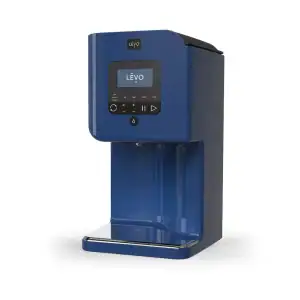
Want clean, consistent CBD oil without babysitting the stove? The LĒVO II+ lets you decarb and infuse hemp or cannabis flower into MCT, olive, or coconut oil—all with precision temperature control and no mess.
Decarboxylation is essential to activate the CBD in raw hemp. The LĒVO makes this step easier and more consistent than traditional oven methods.
Instructions:
Why this matters: The LĒVO decarboxylation process provides a controlled, odor-reducing environment that prevents cannabinoid degradation and ensures more reliable results.
Pro Tip: The standard LĒVO pod holds up to 7 grams of hemp, or you can double that with an optional double pod for larger batches.
Now that your hemp is activated, it’s time to infuse it into your chosen carrier oil—whether it’s MCT, coconut, or olive oil.
Why this matters: Infusing with a LĒVO ensures precise temperature control and reduces the risk of overheating or under-infusing. It’s a set-it-and-forget-it solution ideal for those who want clean, repeatable results.
If you are using a slow cooker for making cbd oil at home, we also have step-by-step instructions:
Carefully remove the jar and let it cool before straining.
Pro Tip: Use a thermometer to verify the actual water temperature—some slow cookers run hotter than expected.
Making CBD oil at home is simple, but certain mistakes can reduce potency, compromise flavor, or shorten shelf life. Here’s what to avoid to ensure a successful, high-quality batch:
1. Overheating the Hemp
Too much heat can degrade cannabinoids like CBD, reducing overall effectiveness. Keep temperatures below 240°F (115°C) and use an oven thermometer for accuracy.
2. Skipping Decarboxylation
Raw hemp contains CBDa, which must be decarboxylated (gently heated) to convert into active CBD. Bake at 230°F (110°C) for 30–45 minutes before infusing.
3. Using the Wrong Carrier Oil
Carrier oils help cannabinoids bind and absorb into the body. Not all carrier oils are effective at binding with cannabinoids. For best results, stick with MCT oil, coconut oil, or olive oil—all offer solid stability and absorption potential.
4. Not Estimating Potency
Guessing your dosage can lead to inconsistent results. Use the CBD percentage of your flower and a CBD oil dosage calculator to better estimate the strength per ml.
5. Inadequate Straining
Leaving too much plant material in your oil can affect taste, texture, and reduce shelf life. Use a fine cheesecloth or mesh strainer, and strain slowly and gently for best results.
6. Improper Storage
CBD degrades with exposure to light, air, and heat. Store your oil in a dark glass container (amber or cobalt), sealed tightly, and keep it in a cool, dry place—or refrigerate for longer shelf life.
7. Using Low-Quality Hemp
Old, improperly stored, or low-CBD hemp will yield weaker results. Always source fresh, lab-tested, CBD-rich hemp flower from a reputable provider and confirm cannabinoid content with a COA (Certificate of Analysis).
If you’re looking for THC-free CBD oil, you have two easy options:
All hemp used in homemade CBD oil must legally contain under 0.3% THC (by dry weight). Be sure to verify with third-party lab results before purchasing. These strains will contain trace levels of THC, but not enough to produce psychoactive effects or exceed legal limits.
CBD isolate is a crystalline powder that contains pure CBD with 0.0% THC. It dissolves easily in carrier oils and doesn’t require decarboxylation or infusion. Simply mix into your chosen oil and store as you would with a traditional infusion.
Best for: Those who are THC-sensitive, subject to drug testing, or want a simple, no-heat method.
Proper storage helps preserve your oil’s potency, flavor, and shelf life. Follow these steps to maintain quality:
Making CBD oil at home isn’t just a DIY hobby—it’s an empowering way to take control of what goes into your wellness products. Whether you're a DIY enthusiast or someone looking for a natural remedy, here's why many people choose to make it themselves:
Understanding how store-bought CBD oil is made can help you decide if the DIY route is right for you. Most commercial CBD products use CO₂ extraction—a highly technical process that differs from home infusion in several ways:
| Feature | CO₂ Extraction | Homemade CBD Oil |
| Equipment Needed | Industrial machinery | Basic kitchen tools |
| Purity | Highly refined, lab-tested | Depends on your ingredients and method |
| Cost | More Expensive | More Affordable |
| Potency Control | Set by the manufacturer | Fully customizable |
| Learning Curve | Complex | Beginner-friendly |
| Ingredient Control | Limited (pre-blended oils) | Full control over all components (hemp, carrier oil) |
| Ease of Access | Buy online or in-store | Requires time and preparation |
| Experience Needed | None (as a consumer) | Minimal for basic infusions |
When to choose each:
Choose CO₂-extracted CBD oil if:
Choose homemade CBD oil if:
Homemade CBD oil is incredibly versatile. Whether you're building it into your daily routine or experimenting with recipes, you can tailor it to your lifestyle.
Note: The effects of CBD vary by individual. Always start low and go slow when trying a new product or dose.
Personalize Your CBD Oil: Boost Flavor and Function
Your homemade CBD oil doesn’t have to be one-size-fits-all. With a few simple additions, you can tailor both the taste and the experience to match your personal preferences or intended use.
Flavor Enhancers
Infuse your oil with natural flavors to make it more enjoyable under the tongue or in recipes:
- Peppermint oil – adds a cool, refreshing kick
- Vanilla extract – offers a warm, comforting flavor
- Cinnamon or clove oil – brings a spicy, aromatic twist
Note: When adding essential oils, make sure they are food-grade and safe for ingestion—and always use sparingly.
Botanical Boosts
Enhance your infusion by adding herbs or roots during the heating process:
- Chamomile or lavender flowers – known for their gentle, calming aromas
- Ginger or turmeric root – traditionally used in wellness routines and culinary infusions
- Garlic or rosemary – ideal for savory applications or topical blends
Tip: Use dried herbs to prevent moisture buildup, which can affect shelf life.
Looking to go beyond basic tinctures? Here’s how to transform your CBD oil into skin-friendly blends for topical use or self-care routines:
Tip: Always store homemade topicals in airtight, clean containers and label with the date of creation.
Homemade CBD oil is incredibly versatile and can be incorporated into your routine in a variety of ways. Here are some of the most popular applications:
Sublingual Drops (Under the Tongue):
Place a few drops under your tongue and hold for 30–60 seconds before swallowing. This method may support faster absorption compared to ingestion.
Add to Drinks or Food:
Blend your oil into smoothies, tea, or salad dressings. Keep in mind that ingesting CBD can result in a slower onset of effects but may offer longer-lasting support.
Topical Application: Gently apply to skin - Rub into sore muscles, joints, or dry areas. Great for a localized nourishing experience. Use as is or blend into a custom balm or salve.
Capsules or Gel Caps:
Prefer a flavorless, portable option? Fill empty softgel capsules with your homemade CBD oil for a simple, consistent way to measure servings and for easier daily dosing.
Massage Oils or Moisturizing Balms:
Mix with shea butter, coconut oil, or essential oils to create a soothing, CBD-rich massage balm or hydrating body moisturizer.
Reminder: Always test topicals on a small area of skin first and start with a low serving size when using your oil internally.

Making CBD oil at home is not only easy and fun-it’s a rewarding way to take control of what goes into your wellness routine. With the right tools, high-quality hemp, and a safe, step-by-step process, anyone can create personalized infusions and wellness blends that fit their needs and lifestyle. Let this guide be your starting point to crafting clean, custom DIY CBD oil one drop at a time.
Yes! It's often more affordable than store-bought options, and you have full control over potency, ingredients, and process.
On average, between $20–$50, depending on the cost of your flower and carrier oil.
From prep to storage, expect the full process to take around 3–4 hours .
MCT oil is most commonly used for its mild flavor and high absorption rate. Olive oil and hemp seed oil are also great alternatives..
When stored properly in a cool, dark place (or refrigerated), it can stay fresh up to 6 months.
Yes. This step is essential. Decarboxylation activates the CBD in raw hemp, making it more available for your body to abosrb.
Yes, as long as you’re using legally sourced hemp that contains less than 0.3% THC in accordance with the 2018 Farm Bill (in the U.S.)
Absolutely! Vanilla (or other food-safe flavorings) can enhance the taste and make your CBD oil more enjoyable to use.


Copyright © 2025 Green Bee Life | Green Bee LLC, is a subsidiary of Green Life Media, Inc., a full service creative agency and production company.