Keeping your weed grinder clean is the secret to a smooth, efficient grind. This may be common knowledge to you, but as a newbie to grinding flower, I didn’t know that resin and plant residue can accumulate over time, leading to sticky, clogged parts that impact performance. Cleaning your grinder consistently ensures that you get the best consistency and flavor from your herb and prolongs the life of your accessory.
I asked our flower-loving editors to share their favorite ways to clean a grinder. Here’s what they had to say.
You should not clean your grinder after every use, however, regular cleaning of your grinder is important.
Your grinder cleaning schedule depends on how often you use it. If you’re a daily user, clean it every few weeks. For occasional users, a monthly or seasonal cleaning should suffice.
If you notice your grinder is becoming sticky, hard to turn, or not grinding as efficiently, these are signs that it needs a good cleaning.

The first step to cleaning a grinder is to disassemble it. Once you have taken it apart, try the methods below to remove the build-up. If your grinder is very resinated, you may need to use a combination of methods.
After cleaning your grinder, pat it dry, then allow it to air dry completely before reassembling it. The last thing you want is mold in your grinder! You can use a DIY grinder hack while you wait for it to dry.
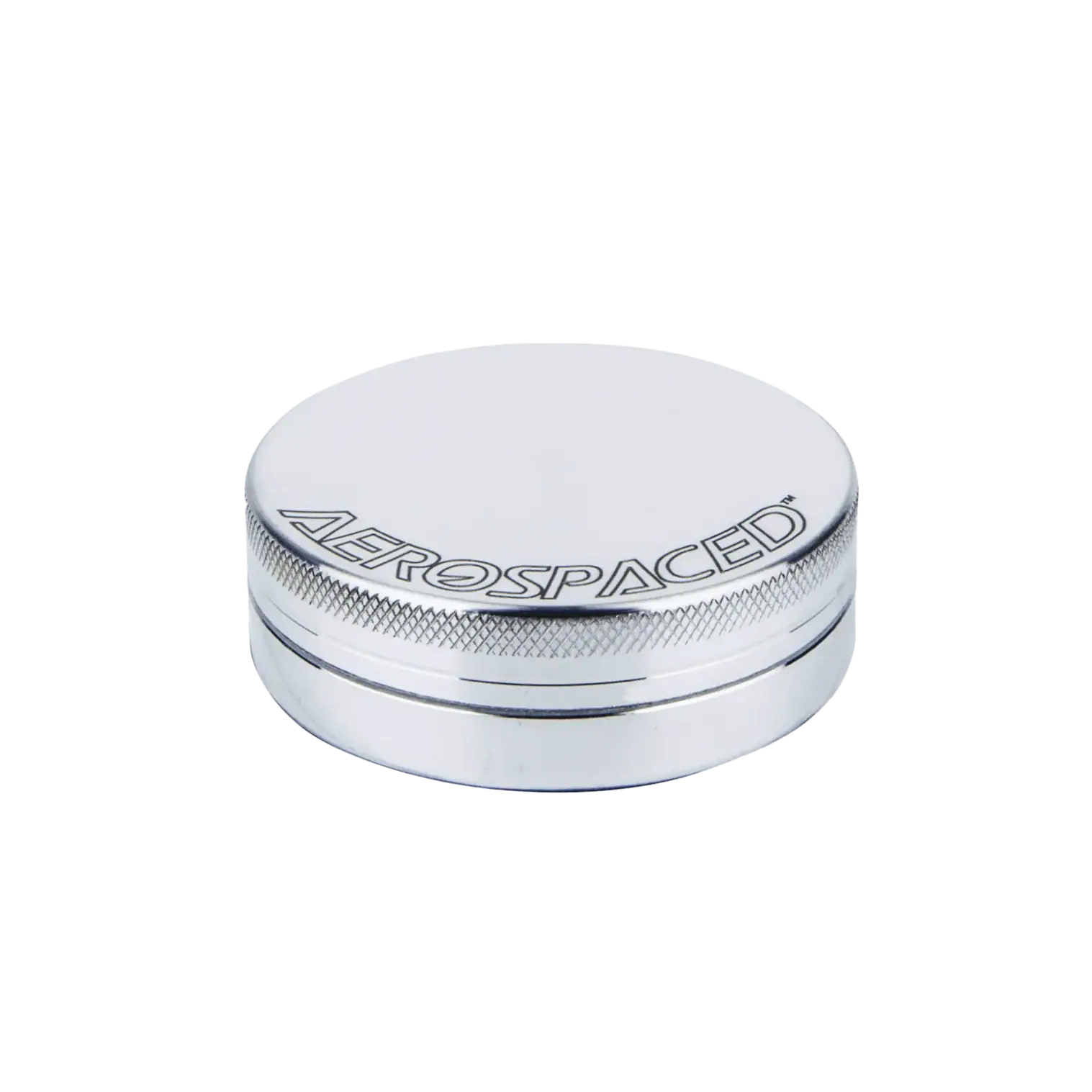
Lightweight, compact, and built from aerospace‑grade aluminum. Smooth double‑lead threading and magnetic seal ensure effortless grinding with no waste.
Many plastic grinders are robust as they’re designed to be travel-friendly, but you’ll want to use care when cleaning.
Plastic grinders shouldn’t be exposed to extremely cold temperatures as this can cause cracking. They can be submerged in warm water, but be aware that plastics release toxins into liquid. Additionally, chemicals such as alcohol and acetone are corrosive to plastic, so it’s best to avoid methods that use them.
There are many ways to clean a metal grinder. One common method is to freeze it, scrape away the residue, then soak it in isopropyl alcohol and rinse it to remove any remaining build-up.
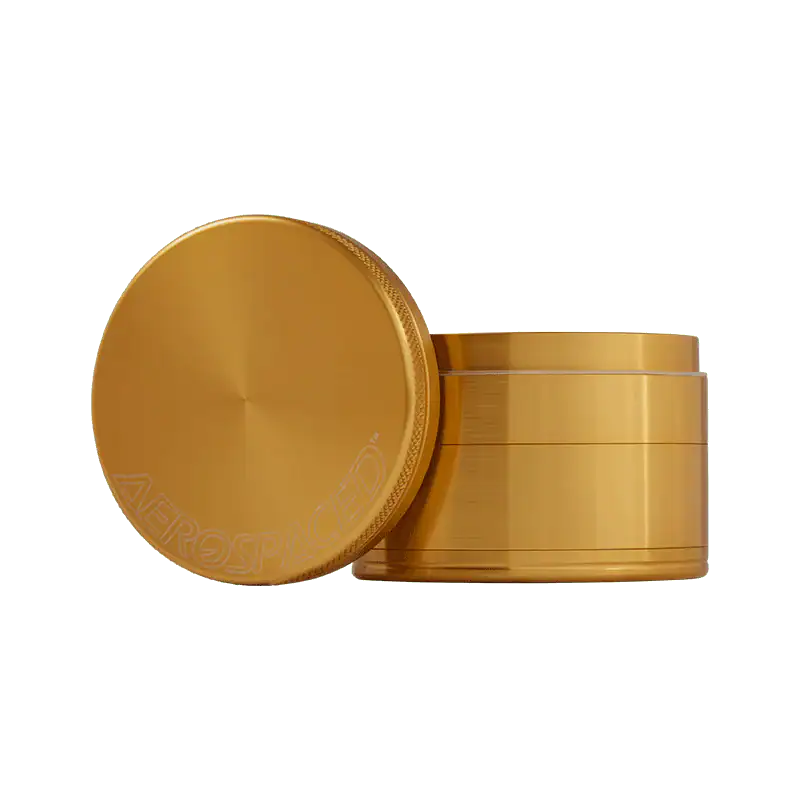
All-in-one four-piece grinder with a kief catcher, diamond-cut teeth, and a lifetime warranty. Made from aircraft-grade aluminum for durability and precision.
The plant matter that builds up in your grinder can be saved for consumption. In fact, the trichome crystals (kief) are what you might call a cannabis delicacy.
Some grinders come with screens that collect the kief that falls off the flower while grinding — aka kief catchers. If your grinder has a kief catcher, scrape the screen to collect the kief as part of your cleaning process. Sprinkle it over flower or decarboxylate it for your next batch of canna oil.
Kief can also get stuck to the teeth and other parts of the grinder. You can capture this magic plant dust with most of these cleaning methods.

Brushing is a simple cleaning method that doesn’t require any special equipment. It’s also the recommended cleaning procedure for most wooden and electric grinders.
If your grinder is very dirty, try freezing it before you brush it clean.
Putting a grinder in the freezer causes the sticky plant residue to harden and become brittle. This makes it easy to scrape out the resin and kief.
Freezing and scraping may be enough, but many people swear that following it up with an isopropyl alcohol bath is the best way to clean a grinder.
If you want your metal grinder to gleam like it did the day you took it out of the box, an isopropyl alcohol soak is your best bet. Here’s how to deep clean a grinder with this method:
Don’t forget to dry your grinder before putting it back together.
Isopropyl alcohol is powerful, but if any residue remains, you can spot-clean it with acetone (nail polish remover) and a cotton swab or cotton pad. Be sure to rinse it well after using acetone.

If you don’t have any isopropyl alcohol or you don’t want to use it on your plastic grinder, the salt and vinegar approach is a great alternative.
Make sure your grinder is dry before reassembling.
If you haven’t tried canna milk (aka cannabis milk), you’re in for a treat — and you can enjoy it right after you clean your weed grinder. As you might have guessed, canna milk is milk infused with cannabis. You can make it with flower, but why not use the kief that’s already in your grinder?
Your grinder and milk have a symbiotic relationship. While the cannabinoids in the kief infuse into the milk, the fats and proteins in the milk help break down the resin and other residues. This method is particularly effective for cleaning sticky grinders.
You can technically use any milk or milk alternative when making canna milk, but whole milk is typically recommended for cleaning a grinder because it contains the fats and proteins needed to dissolve the plant matter. If you’re looking for a plant-based option, use something with fat such as coconut milk.
Note: Because chemicals from plastic can leach into the milk, this method should not be used for plastic grinders.
To clean a weed grinder with milk leave a it in milk for several minutes to make a milky infusion you can drink or use in recipes. (Infused ice cream, anyone?)
Let the milk cool before transferring it to a storage container. Refrigerate until ready to use.
Yes, so long as you don’t have a wooden or plastic grinder, you can boil it in milk to clean it and infuse the milk with THC and other cannabinoids.
Yes, mold can grow in a weed grinder if it is not cleaned regularly and if it remains in a damp environment.
After cleaning, dry your grinder by patting it with a towel and leaving it in a dry, airy place to ensure all moisture evaporates.
Yes, hydrogen peroxide can be used to clean a grinder instead of isopropyl alcohol or vinegar. Soak it for several minutes and then scrub away any residue.
Yes, acetone can clean a grinder effectively by dissolving residues, but it must be thoroughly rinsed off afterward to ensure no harmful chemicals remain.
Yes, vodka can be used to clean a grinder as its alcohol content helps dissolve residues.
You can clean a grinder without isopropyl alcohol using alternatives like hydrogen peroxide, vinegar, or boiling it in milk.
Yes, boiling a metal grinder in milk or water can help loosen and remove residue. Just make sure all of the components can withstand heat and dry it thoroughly afterward.
Putting a weed grinder in the dishwasher is not recommended because the heat and detergent may damage it or leave residues.
If you don't clean your weed grinder, it can become clogged, less efficient, and may even develop mold or bacteria.


Copyright © 2025 Green Bee Life | Green Bee LLC, is a subsidiary of Green Life Media, Inc., a full service creative agency and production company.