Take Action & Legal News
I first became familiar with bioavailability — the potential for a substance to be absorbed by the body — when incorporating herbs and supplements into my wellness routine. When I started dabbling with CBD, I had a hunch it was something to pay attention to, so I did some digging.
I discovered that many factors influence the bioavailability of CBD, and many of these optimizations are controlled by the manufacturer. However, there’s a lot you as the consumer can do to control how well your body absorbs and utilizes CBD.

CBD bioavailability is the degree to which CBD reaches the bloodstream after being introduced into the body (e.g., by ingesting or inhaling).
Depending on how CBD is consumed, it enters your body directly into the bloodstream or via the digestive system (and then into your bloodstream ). The bioavailability of CBD plays a role in how quickly and to what extent your body can process and utilize the cannabidiol.
Bioavailability, often expressed as a percentage, measures how much of a substance is absorbed and utilized by your body, as well as the rate at which this absorption occurs. High bioavailability means you get the maximum effect from the amount you take.
So, what can you expect from a CBD oil product with greater bioavailability?
While all cannabinoids interact with the body’s endocannabinoid system receptors, CBD has been shown to have particularly strong interactions with CB1 receptors. Increased bioavailability of CBD enhances its effectiveness, potentially providing greater relief from conditions like chronic pain and other desired outcomes.(2)
It makes sense that the bioavailability of a CBD product in part depends on its concentration. A product with 25 MG of CBD per dose provides more for your body to absorb than a product with 5 MG per dose.
What surprised me most is how widely bioavailability varies across the many forms of CBD. For example, if you took a 10 MG CBD gummy, your body will absorb less of it than if you took the same 10 MG dose by dropping CBD oil under your tongue.
Does this mean you should give up your favorite CBD gummies and only use CBD oil drops instead? Not at all! Every consumption method has its place, and there are things you can do to optimize forms with less-than-ideal bioavailability.
Let’s explore the different ways to consume CBD, how their bioavailabilities stack up to one another, and share some tips to enhance absorption.

Edibles are a go-to for many CBD fans, and it’s easy to see why! Pre-measured, consistent, and often delicious doses are easy to take and fun to eat.
That’s why I was initially disappointed to learn that , CBD oral bioavailability plummets due to the first-pass effect. The digestive system starts breaking it down, and the liver metabolizes much of it, leaving behind only a small portion. As a result, only between 6-20% of the CBD actually enters the bloodstream (3)
The good news is that you can improve the bioavailability with a few simple tricks.
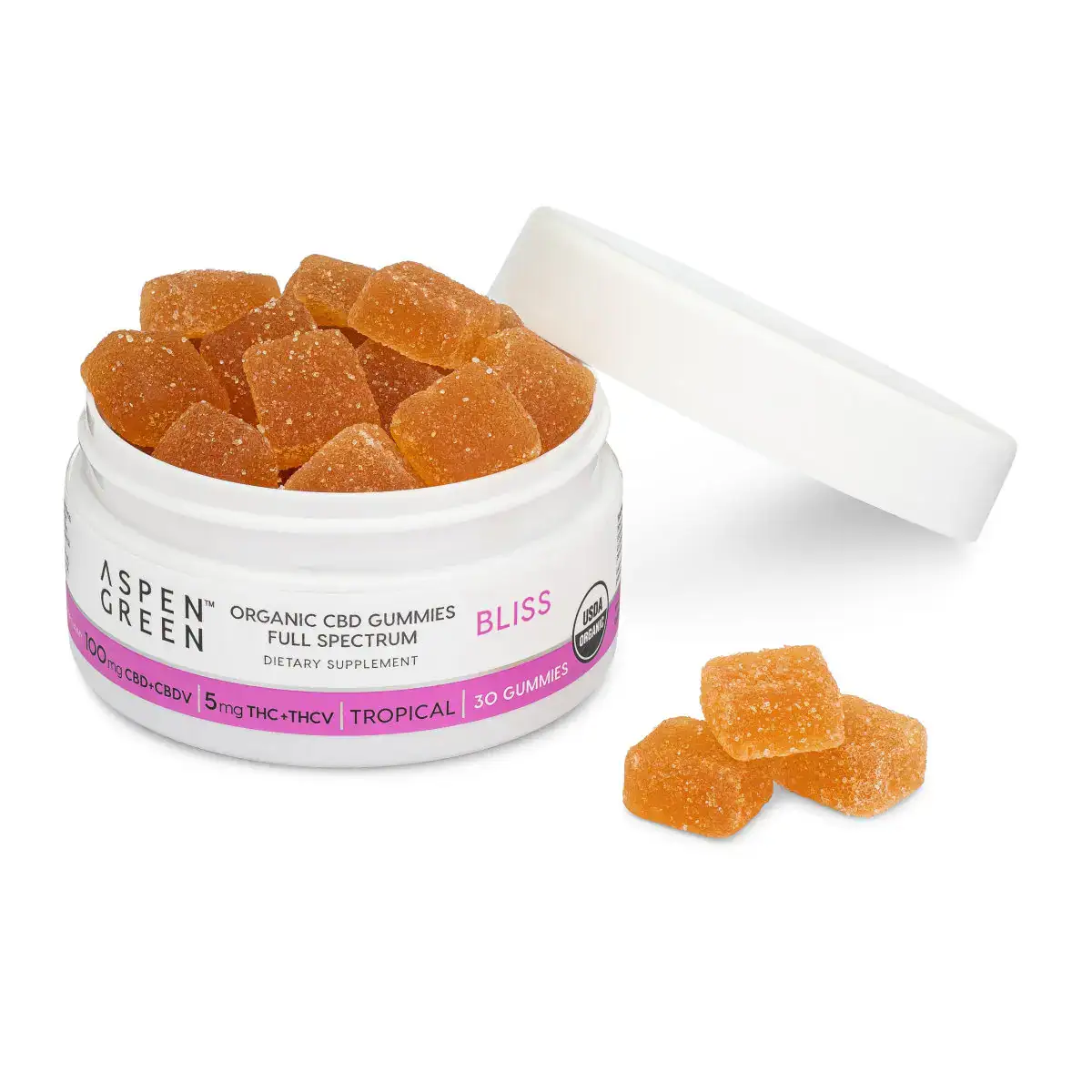
These fruit-flavored gummies feature broad-spectrum CBD, organic tropical fruit extracts, and zero THC. Gluten-free and vegan, they deliver consistent daily wellness in a chew.
The first thing to understand if you want to get more mileage out of your edible CBD is that CBD is a lipophilic (fat-soluble) compound, meaning it dissolves better in fats than in water.
For example, a University of Minnesota study found that participants who took CBD with a high-fat meal saw up to a fourfold increase in blood CBD levels compared to those who took it on an empty stomach. (4)
"The type of food can make a large difference in the amount of CBD that gets absorbed into the body. Although fatty foods can increase the absorption of CBD, they can also increase the variability as not all meals contain the same amount of fat," said Angela Birnbaum, the study co-author and a professor at the College of Pharmacy.
Another way to capitalize on CBD’s lipophilic properties is to use CBD products formulated with carrier oils such as MCT oil or olive oil, which can help enhance the absorption of CBD.
Products like nano-emulsified CBD, where CBD particles are broken down into smaller sizes, can also increase the rate and extent of absorption, making the CBD more bioavailable. (5)
You might file CBD sublingual bioavailability under CBD bioavailability hacks, too. One of the best ways to take CBD is by dropping or spritzing CBD oil or tincture under the tongue, it absorbs directly into the bloodstream via the sublingual gland, bypassing the digestive system and first-passing liver metabolism. This is known as sublingual consumption.
Sublingual CBD offers a practical and discreet method with bioavailability between 19% and 35%.
To ensure maximum absorption, hold the CBD under your tongue for 30-90 seconds before swallowing. This allows the mucous membranes sufficient time to absorb the cannabinoids effectively.
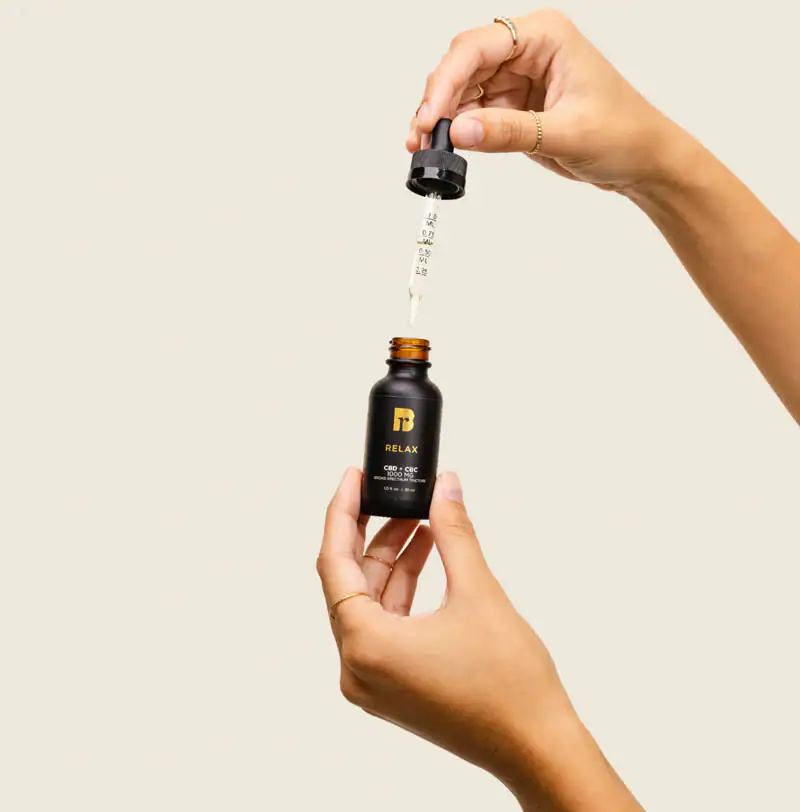
A calm-in-a-dropper formula combining USDA organic hemp extract and Lion’s Mane mushroom. Vegan, gluten-free, and perfect for mood, focus, and stress support.

Vaping CBD involves heating a CBD oil or e-liquid until it vaporizes, then inhaling the vapor into your lungs. The CBD is rapidly absorbed into the bloodstream through the lung's alveoli, bypassing the digestive system and liver, leading to an impressive vape CBD bioavailability of around 56%.(6)
One reason vaping boasts such high bioavailability is that the CBD avoids that pesky first-pass metabolism in the liver, which typically breaks down much of the CBD before it can enter the bloodstream.
However, while this method is efficient, it's not without risks. The long-term effects of vaping are still under research, and some users may experience irritation or discomfort in their respiratory system.
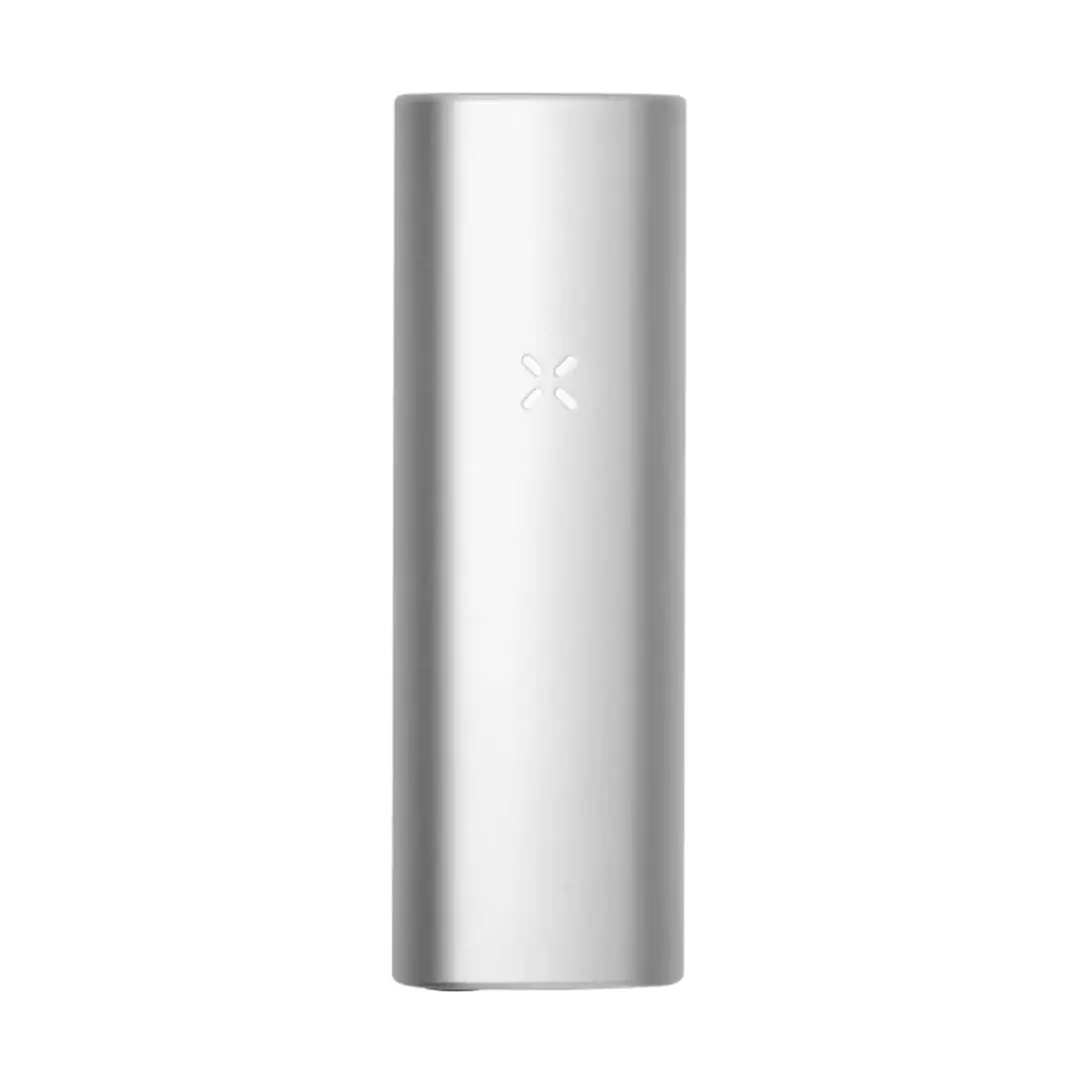
Ultra-portable and pocket-sized, the PAX Mini Vaporizer delivers smooth vapor from dry herb or concentrates. With simple one-button operation, a long-lasting battery, and effortless maintenance, it’s ideal for discreet sessions and on-the-go use.
Smoking CBD, whether through a hemp cigarette or a CBD-rich strain of cannabis, is another method that offers relatively high bioavailability, typically ranging from 31% to 45%.(7) Like vaping, smoking delivers CBD directly to your lungs, where it quickly enters the bloodstream, bypassing the digestive system and liver.
Smoking has a slightly lower bioavailability than vaping because the liquids in CBD vape cartridges are intentionally formulated, whereas when you smoke flower, there can be variation in the natural product.
Yes, we’re going there! Rectal administration of CBD might not be the most popular method, but it offers unique benefits, including a bioavailability range of 13% to 40%.(8) CBD suppositories are inserted rectally, where they dissolve and the CBD is absorbed through the rectal mucosa, entering the bloodstream and bypassing the liver's first-pass metabolism.
This method can be particularly useful for individuals who cannot consume CBD orally due to medical conditions or who require localized relief in the pelvic region. The wide range of bioavailability can be attributed to factors like the type of suppository base used and individual differences in rectal absorption.
Are you as intrigued as I was to learn that CBD nasal sprays exist? This consumption method has a small but mighty fan base and with the bioavailability of intranasal CBD ranging from 34-46%, I predict a rising trend.(9)
The nasal passages offer a direct route to the bloodstream, so there’s no loss by passing through the liver and absorption is rapid.
The key to maximizing bioavailability with this method is ensuring that the nasal spray is administered correctly. Proper technique involves spraying the product into the nostrils and sniffing gently to draw the CBD into the nasal mucosa.

Topical CBD products, like creams, lotions, and balms typically have a bioavailability of around 3%. When applied to the skin, CBD interacts with cannabinoid receptors in the epidermis and dermis but does not enter the bloodstream in significant amounts.
This isn’t to say there’s not a time and place for topical CBD. Nor should it be discounted altogether. While creams and lotions might not be the most bioavailable method for whole-body effects, they still offer benefits for localized issues such as pain or inflammation. By targeting specific areas, topical CBD keeps the cannabinoid concentrated where it’s needed most, making it my go-to for addressing localized discomfort.
Additionally, CBD may promote overall skin health, by providing nourishment and supporting the skin’s natural balance. So, while it might not provide widespread effects throughout your body, topical CBD can still be a valuable addition to your wellness routine, particularly for targeted relief and skin care.
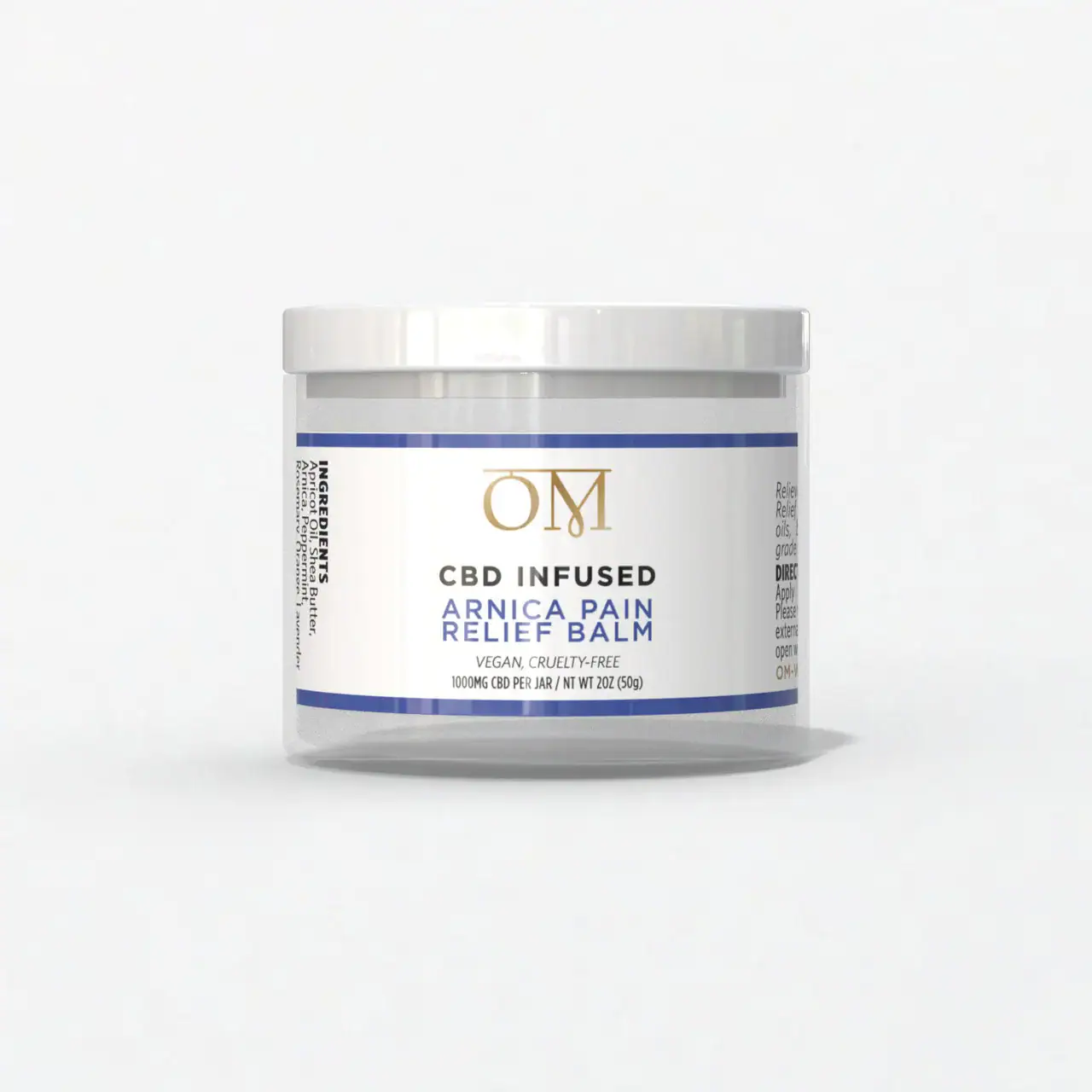
A soothing, high-strength CBD topical infused with arnica and essential oils for targeted joint and muscle relief. Non-greasy and fast-absorbing. Ideal for daily wellness routines.
Transdermal CBD, delivered through patches, provides a steady, controlled release of CBD through the skin into the bloodstream. Think of a nicotine patch, but the CBD version.
СBD transdermal bioavailability is not yet known due to a lack of research, but the theory is that transdermal absorption allows for direct absorption into the bloodstream. However, keep in mind that your skin won’t absorb 100% of the product, which will impact the overall bioavailability.
| METHOD | DELIVERY | BIOAVAILABILITY RATE |
| Oral CBD | Ingested, including drinks and edibles | 6-20% |
| Sublingual CBD | Drops under the tongue | 19-35% |
| Vaped CBD | Inhaled from a vaporizer | 56% |
| Smoked CBD | Inhaled from a joint, pipe, or dab rig | 31-45% |
| Rectal CBD | Rectal suppository | 13-40% |
| Intranasal CBD | Sprayed in the nose | 34-46% |
| Topical CBD | Creams and lotions applied to the skin | 3% |
| Transdermal CBD | Patch applied to the skin | Unknown |
CBD is available in various formulations — gummies, tinctures, soft gels, etc. — and can be taken in several ways — ingested, intranasally, topically, etc.
The bioavailability of CBD is influenced by its form, concentration, and consumption method. Each method translates into different levels of bioavailability.
There are other tips and tricks to increase CBD bioavailability. You can try:(10)
<H2>Absorb This: High CBD Bioavailability’s a Good Thing
With so many forms of CBD available, it's helpful to know which are easiest for your body to absorb so that you can avoid costly trial and error. However, bioavailability doesn’t have to be the only factor when choosing products. You should also consider your personal needs and preferences. I, for one, will still be enjoying my beloved CBD gummies and topicals!
Bioavailability is the proportion of a substance — like CBD — that your body can absorb and utilize.
Consider forms of CBD with higher bioavailability such as sublingual, vaping, and intranasal. Consume your CBD with food, especially those that contain healthy fats, and use nano CBD products.
It depends on the formulation and method of administration. On the high end of the spectrum are inhaled and sublingual CBD; topical and ingested CBD are on the lower end.
As we’ve learned, the first-pass effect is going to do a number on your CBD bioavailability. That means methods that bypass the liver and digestive system such as vaping, sublingual drops, and nasal sprays will result in more CBD in your bloodstream.
You should always assess your personal needs and weigh the pros and cons of each consumption method. For example, there are health risks associated with smoking and vaping. If you’re concerned about lung health, sublingual or intranasal varieties of CBD — like CBD tinctures — are probably going to be your go-tos.
The half-life of CBD can range from less than two hours and up to five days depending on the form of CBD and other factors such as how consistently it’s used.


Copyright © 2025 Green Bee Life | Green Bee LLC, is a subsidiary of Green Life Media, Inc., a full service creative agency and production company.